Source Password Mini Piggy Bank for Kids, Savings, and Gifts
Compare 30 password mini piggy bank options featuring fingerprint locks, custom logos, and eco-friendly materials. Buyers can evaluate sizes, prices, and origins from Chinese manufacturers for educational toys and coin saving banks.
Key considerations
Products List
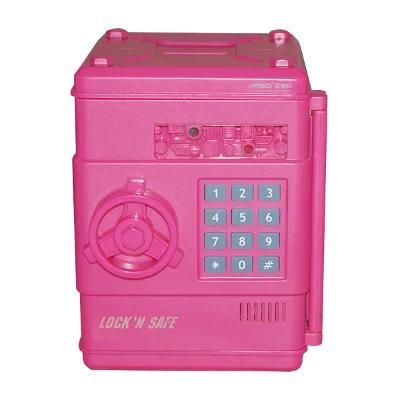
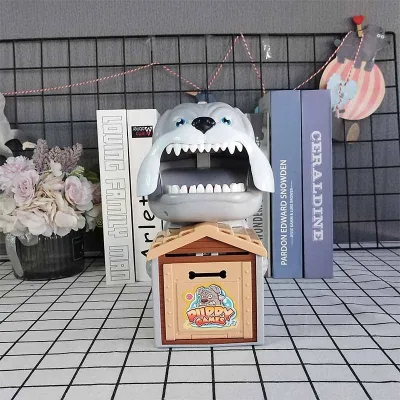
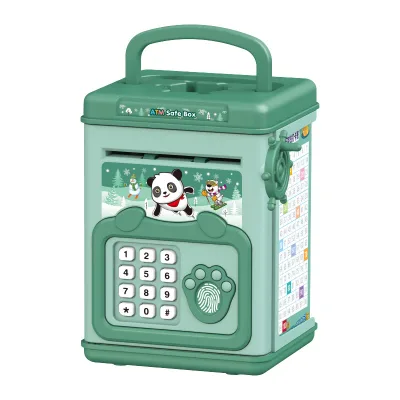
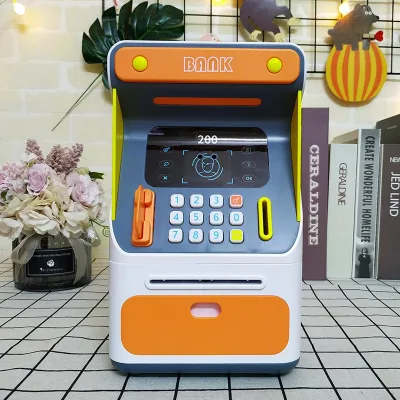
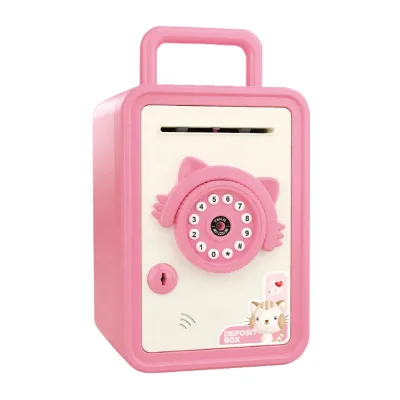


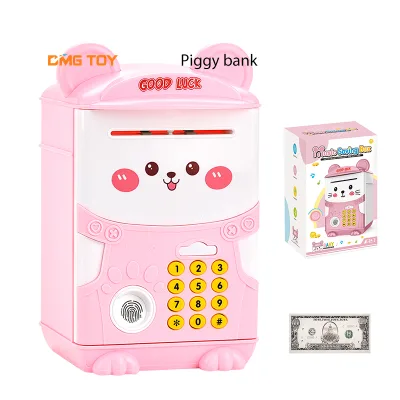
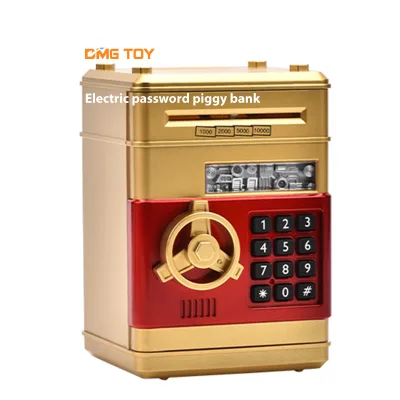
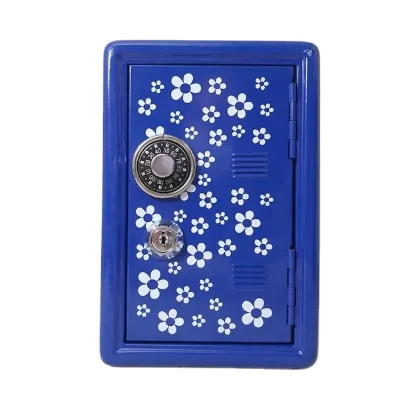
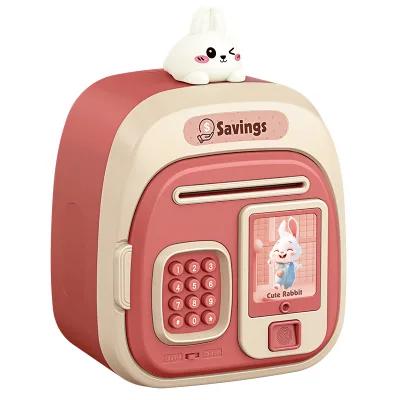
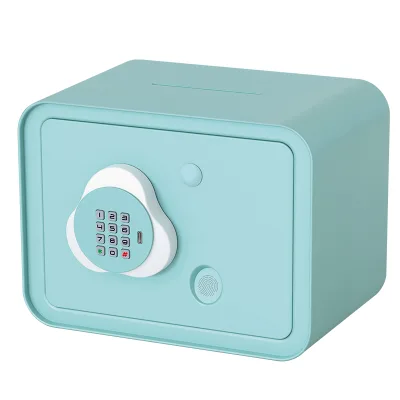
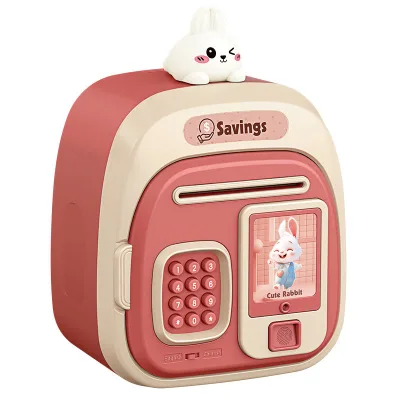

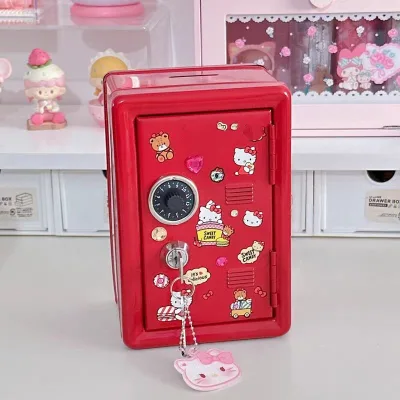


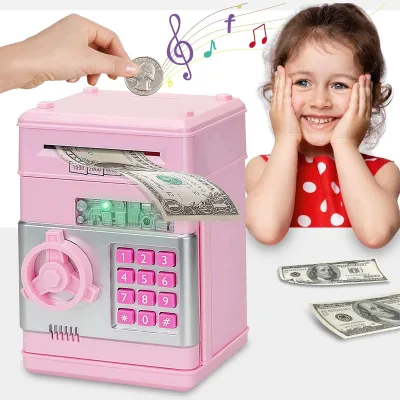
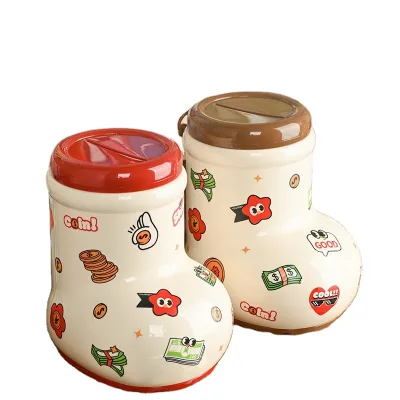
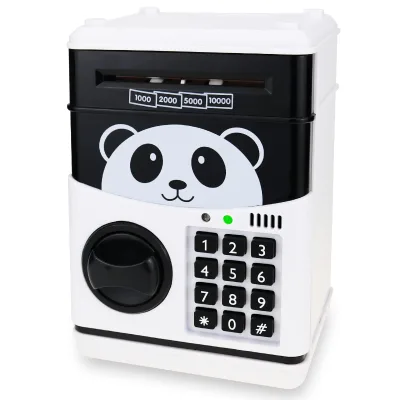

Comprehensive Sourcing Guide
Strategic Sourcing Guide for Password Mini Piggy Banks
The global market for educational toys and home organization solutions has seen a significant shift toward interactive and secure storage items, with the password mini piggy bank emerging as a versatile product category. For B2B buyers, this item represents a convergence of early childhood education, security features, and modern design aesthetics. Sourcing these products requires a disciplined approach to verifying technical specifications, understanding material composition, and evaluating supplier capabilities against the specific demands of the retail or wholesale channel. This guide outlines the critical factors for procurement professionals navigating this sector, relying strictly on observed product attributes and established industry knowledge.
Technical Specifications and Design Variations
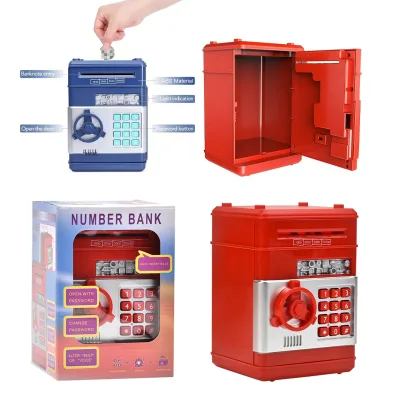
When evaluating password mini piggy banks, buyers must first distinguish between the various physical and functional specifications available in the market. The product landscape is not monolithic; it includes distinct variations in dimensions, locking mechanisms, and structural shapes. Based on observed market data, dimensions vary significantly to suit different use cases. Some units are compact, measuring approximately 1311.519cm, while others are larger, reaching 161426.5cm. For bulk logistics planning, single package sizes can range from 13.513.519.5 cm up to 211935.5 cm, with carton sizes for shipping potentially reaching 903186 cm.
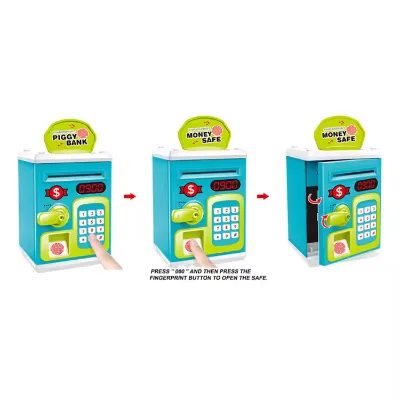
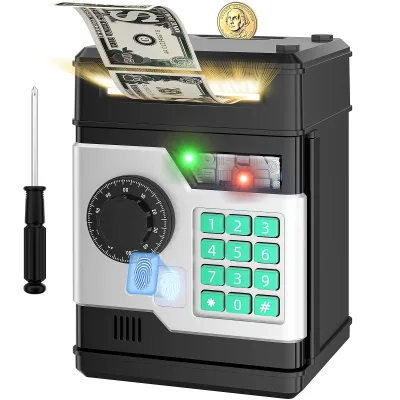
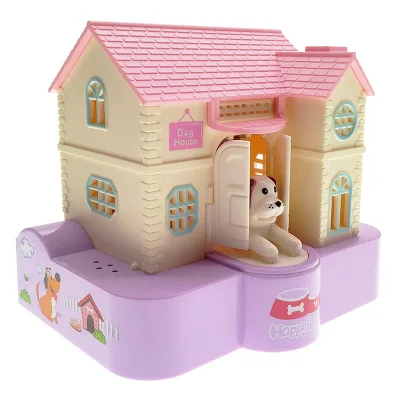
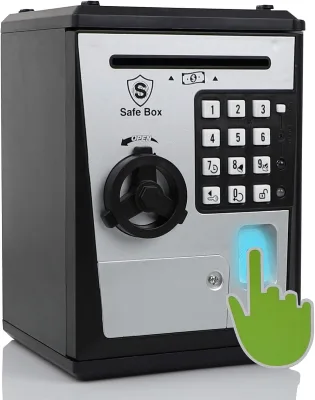
The locking mechanism is a primary differentiator in this category. While traditional models utilize simple mechanical locks, the "password" variant often incorporates advanced security features. Buyers should verify whether the unit utilizes a password lock, a fingerprint lock, or a standard lock mechanism. The presence of a fingerprint sensor suggests a higher level of technological integration, appealing to modern consumers seeking smart home accessories or advanced educational tools. Furthermore, the shape of the product is a critical design element, with observations indicating both rectangular and square profiles. The "Box" and "Rectangle" shapes are common, influencing how the item fits on shelves or in children's rooms.
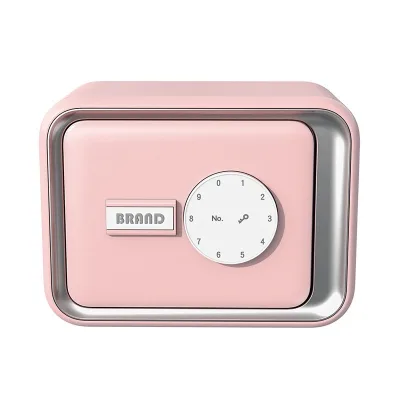
Color options are equally diverse, ranging from specific single shades like Gray, Pink, and Earthy yellow to multi-color palettes including Blue, Dark Blue, and Orange. Some suppliers offer fully customized color options, which is essential for brands looking to align the product with specific corporate identities or seasonal themes. The material composition is predominantly plastic, which offers durability and cost-effectiveness, though buyers should confirm the specific grade of plastic used to ensure it meets safety standards for toys.
Compliance, Certification, and Material Safety
For any product intended for children, particularly those labeled as "Early Education" or "Kid Toy," compliance with safety standards is non-negotiable. The product descriptions often highlight "Eco-friendly Material" as a key attribute, which implies a focus on non-toxic, sustainable plastics. However, buyers must not assume compliance based on marketing keywords alone. The verification process requires checking for specific certification marks relevant to the target market, such as ASTM F963 for the United States, EN71 for Europe, or GB 6675 for China.
The "Brand Name" field in product listings often shows "OEM" or specific manufacturer names like "Huayuan." This distinction is vital for compliance tracking. OEM products allow for private labeling, but the underlying manufacturing facility must hold valid quality management certifications. Buyers should request documentation proving that the plastic materials used are free from harmful substances like BPA, phthalates, and lead. The "High Quality" advantage frequently cited in supplier descriptions is a subjective claim; objective verification comes from third-party test reports.
Additionally, the "Place of Origin" varies across the supply chain, with products sourced from Shandong, Guangdong, and Zhejiang provinces in China. While these regions are known for robust manufacturing ecosystems, the specific factory location does not guarantee safety. Buyers must ensure that the supplier can provide a Certificate of Compliance (CoC) for every batch produced. The "Function" of the product as a "Prentend Play" item or "Coin Saving Bank" dictates that it must withstand rough handling without breaking into sharp fragments, a requirement that is often tested through drop tests and impact resistance evaluations.
Cost Drivers and Pricing Structures
Understanding the cost structure of password mini piggy banks is essential for maintaining healthy profit margins. The observed price range in the market spans from 0.75 to 20 USD, a wide variance that reflects differences in complexity, material quality, and feature sets. The lower end of the spectrum typically corresponds to basic models with simple password locks, standard plastic construction, and minimal packaging. Conversely, the higher price points are driven by advanced features such as fingerprint recognition, premium eco-friendly materials, and sophisticated packaging like window boxes.
Minimum Order Quantity (MOQ) is another significant cost driver. Market data indicates MOQs ranging from as low as 1 piece to as high as 1000 pieces, with common thresholds at 100 pcs and 240 pcs. Suppliers with lower MOQs may charge a premium per unit due to the inefficiencies of small-batch production. Conversely, larger orders allow for economies of scale, reducing the unit cost but requiring higher capital outlay. Buyers must balance their inventory risk against the per-unit savings.
Packaging costs also play a substantial role in the final landed cost. Some products are shipped in simple bulk packaging, while others come in "Window box" packaging, which adds to the retail value but increases the unit price and shipping volume. The "Single gross weight" varies from 0.614 kg to 1.150 kg, directly impacting freight costs. Buyers should calculate the total landed cost, including shipping, duties, and insurance, rather than focusing solely on the ex-factory price. The "Fast delivery" advantage mentioned by some suppliers can reduce holding costs but may come at a premium if expedited shipping is required.
Typical Applications and Target Markets
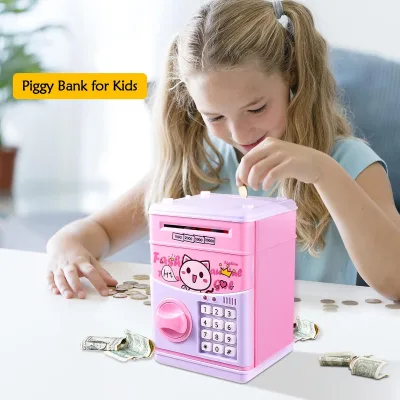
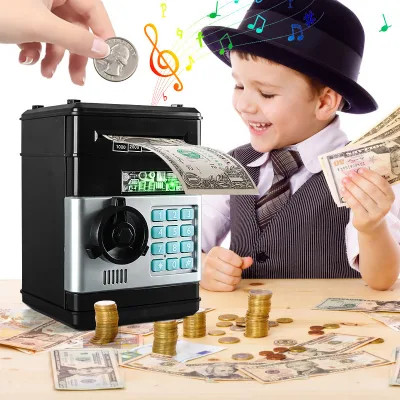
The versatility of the password mini piggy bank allows it to serve multiple market segments. The primary application is in early childhood education, where the product functions as a tool for teaching financial literacy. The "Style" is often described as an "ATM Coin Bank," mimicking real-world banking experiences to engage children. This educational angle is reinforced by the "Gender: Unisex" attribute, making the product suitable for all children regardless of gender preferences.
Beyond education, these items serve as functional home organization tools. The "Usage" as a "Coin Saving Bank" makes them ideal for adults and teenagers looking to save money in a secure, private manner. The "Modern" feature and customizable logos allow these products to be marketed as stylish home decor or corporate gifts. The "Portable" attribute suggests that some models are designed for travel or easy relocation, expanding their utility beyond stationary storage.
The "Keyword: Eco-friendly Material" indicates a growing demand from environmentally conscious consumers. This positions the product well for retailers focusing on sustainable goods. The "Description: Bank Kid Toy" highlights the dual nature of the product, appealing to parents who want to combine play with practical skill-building. Understanding these applications helps buyers tailor their marketing strategies and select the right product variants for their specific customer base.
Supplier Evaluation and Quality Control
Selecting the right supplier is critical for ensuring product consistency and reliability. Buyers should evaluate suppliers based on their ability to meet the specific technical requirements outlined in the product specifications. Key evaluation criteria include the supplier's experience with OEM branding, their capacity to handle customized colors and logos, and their track record for "Fast delivery." The "Advantage" of "High Quality" should be backed by a robust quality control (QC) process.
Quality control measures should be implemented at multiple stages of production. Incoming material inspections should verify the plastic grade and color consistency. During production, random sampling should be conducted to check the functionality of the password or fingerprint locks. Final inspections must ensure that the packaging is intact and that the product dimensions match the specifications exactly. Buyers should request a pre-shipment inspection report that includes photos of the finished goods and test results for the locking mechanisms.
The "Model Number" is a crucial identifier for tracking quality. Variations such as "SCZX-02-05," "SZCX-02-54," and "YZ2403055" suggest different production lines or design iterations. Buyers must ensure that the model number on the final product matches the approved sample. Discrepancies in model numbers can indicate production errors or the use of substandard components. Additionally, the "Selling Units: Single item" attribute implies that the product is sold individually, so packaging must be robust enough to protect the item during transit without additional bulk packaging.
Long-Term Procurement Considerations
Sourcing password mini piggy banks is not a one-time transaction but a long-term partnership that requires strategic planning. Buyers should consider the scalability of the supplier's production capacity to meet future demand spikes. The "MOQ" flexibility is a key indicator of a supplier's ability to adapt to changing market conditions. A supplier that can accommodate both small test orders and large volume runs offers greater strategic value.
Sustainability is becoming a long-term imperative in the toy industry. The "Eco-friendly Material" attribute suggests a trend toward greener manufacturing. Buyers should inquire about the supplier's long-term plans for reducing their carbon footprint and using recycled materials. This not only aligns with consumer preferences but also mitigates regulatory risks associated with environmental compliance.
Finally, the "Customized" logo feature offers opportunities for brand differentiation. Buyers should work with suppliers who have a proven track record of high-quality customization. This includes ensuring that the logo application is durable and does not peel or fade over time. The "Modern" style of the product means that design trends evolve quickly; therefore, buyers should maintain a close relationship with their suppliers to stay ahead of new design releases and feature updates. By focusing on these long-term factors, buyers can build a resilient supply chain that delivers value and quality consistently.
FAQs
What are the common dimensions for password mini piggy banks?
Common dimensions vary significantly, with compact units measuring approximately 13*11.5*19cm and larger models reaching 16*14*26.5cm. Single package sizes can range from 13.5*13.5*19.5 cm up to 21*19*35.5 cm depending on the specific model and packaging requirements.
Which locking mechanisms are available for these products?
Available locking mechanisms include password locks, fingerprint locks, and standard mechanical locks. The presence of a fingerprint sensor suggests higher technological integration, while password locks are common for basic security needs in educational or home settings.
What materials are used to construct password mini piggy banks?
The primary material used is plastic, which offers durability and cost-effectiveness for mass production. Some products highlight eco-friendly material attributes, implying the use of non-toxic, sustainable plastics suitable for children's toys and early education tools.
How does the minimum order quantity affect pricing?
Minimum order quantities range from 1 piece to 1000 pieces, with common thresholds at 100 pcs and 240 pcs. Lower MOQs may incur higher per-unit costs due to production inefficiencies, while larger orders allow for economies of scale and reduced unit prices.
Can buyers customize the color and logo of the product?
Yes, buyers can customize colors such as Gray, Pink, Blue, or Earthy yellow, and some suppliers offer fully custom color options. Logos can also be customized, allowing brands to align the product with specific corporate identities or seasonal themes for retail or wholesale channels.
What is the typical price range for these items?
The observed price range spans from 0.75 to 20 USD, reflecting differences in complexity and features. Basic models with simple locks cost less, while advanced units with fingerprint recognition or premium packaging command higher prices in the market.
Where are these products typically manufactured?
Products are sourced from various provinces in China, including Shandong, Guangdong, and Zhejiang. These regions are known for robust manufacturing ecosystems, though buyers must verify specific factory certifications regardless of the stated place of origin.